Friendly Clownfish Embroidery Design Review
As a designer who has spent years navigating the nuances of machine embroidery, I know that finding a motif that balances charm with technical reliability is half the battle. The Friendly Clownfish Embroidery design immediately caught my eye for its potential to bring a splash of oceanic joy to various handmade products. When evaluating an embroidery file, I look beyond the digital preview; I need to understand how the stitch structure translates to physical fabric and whether it holds up under commercial scrutiny. This review breaks down my practical assessment of this specific design, focusing on its application in real-world projects ranging from custom apparel to boutique merchandise.
First Impressions: Mood and Visual Personality
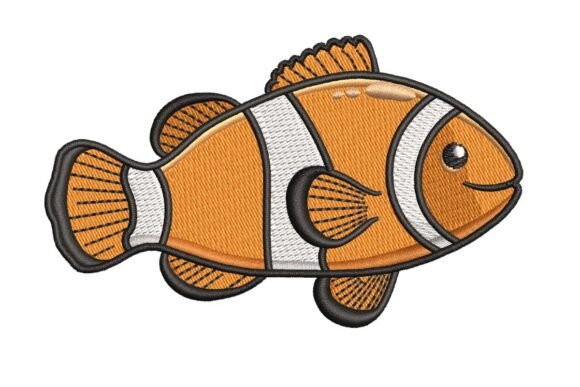
The moment you open the preview for the Friendly Clownfish Embroidery, the mood is undeniably cheerful. It captures the essence of a happy, smiling clownfish rendered with enough detail to be recognizable but simplified enough to avoid common stitching pitfalls. In the world of Fish motifs, many designs lean too heavily into complex scales or intricate fins that can cause registration issues on textured fabrics. This design, however, strikes a balance. The curves are smooth, suggesting a clean flow of satin stitch along the edges, while the body likely utilizes a dense fill stitch to create that vibrant orange pop against contrasting backgrounds.
For an Etsy seller or small shop owner looking to expand their summer collection, this design offers immediate visual appeal. It feels like a natural fit for nursery decor, beach-themed tote bags, or even personalized gifts for marine enthusiasts. The "friendly" aspect of the character makes it versatile; it isn't just a biological representation but a character that invites engagement. When planning a product line, having a design asset that conveys warmth and playfulness without looking childish is a significant advantage.
Performance in Real-Life Embroidery Scenarios
To truly judge the value of the Friendly Clownfish Embroidery, I imagine placing it into a workflow for a custom order. Let's consider a scenario where a client requests a set of embroidered patches for a children's swim team or a boutique's new line of canvas tote bags. In these contexts, the design's shape works exceptionally well. The rounded form of the clownfish allows it to sit comfortably within a standard hoop size without awkward cropping.
When applied to custom apparel, such as a cotton sweatshirt or a denim jacket, the density of the stitches becomes crucial. A well-constructed machine embroidery design ensures that the thread lays flat, preventing puckering on heavier fabrics. For lighter applications, like a baby onesie or a linen pillow cover, the design's simplicity is a blessing. It avoids the heavy saturation that can make thin fabrics stiff or uncomfortable. If you are creating a personalized gift, perhaps a kitchen towel or an apron for a home cook who loves the sea, this motif adds a professional touch that elevates the item from a generic craft to a thoughtful present.
I also see strong potential for using this as a standalone embroidered patch. The clear outlines and distinct color separation make it ideal for backing with felt or twill, allowing makers to sell the patches individually or incorporate them into larger garments. For the Etsy seller creating printable mockups to showcase their digital products, the Friendly Clownfish Embroidery provides a high-impact image that sells the finished product effectively before a single thread is pulled.
Navigating Challenges: Where Caution is Needed
While the Friendly Clownfish Embroidery is robust, experienced designers know that no design is universally perfect for every situation. There are specific scenarios where caution is required to ensure the final result meets quality standards. First, consider the hoop size. If you attempt to shrink this design significantly to fit a tiny cap or a small pocket area, you risk losing the clarity of the facial features. The smile and eyes are key to the character's personality; if they become pixelated or merge due to excessive scaling, the charm is lost.
Fabric texture is another critical factor. On highly textured materials like thick fleece or nubby wool, the fine details of the fish might get lost in the weave. In such cases, a stabilizer test is non-negotiable. You must use a cut-away or tear-away stabilizer appropriate for the fabric weight to prevent the design from sinking into the material. Additionally, when working with dark fabrics, the contrast of the orange and white elements needs to be carefully managed. Using a backing layer or adjusting the thread colors in your software might be necessary to ensure the design pops rather than blending into the background.
Curved surfaces, such as baseball caps, present their own challenges. The Friendly Clownfish Embroidery has a somewhat elongated shape, which might require careful positioning on a curved cap panel to avoid distortion. Always test the design on a scrap piece of similar fabric first. Check the stitch density to ensure there are no gaps in the fill areas that would show the fabric through, especially in the white stripes of the clownfish. These small details often determine whether a customer perceives the product as high-quality or amateurish.
Impact on Brand Value and Customer Trust
For creative entrepreneurs and small business owners, the choice of design assets directly influences brand consistency and customer trust. The Friendly Clownfish Embroidery brings a level of professionalism that generic clip art cannot match. When a customer receives a finished product featuring a crisp, well-stitched motif, they associate that quality with your brand. It signals that you care about the details, from the thread selection to the placement of the design.
This design enhances the perceived value of handmade items. A simple tote bag becomes a statement piece when adorned with a high-quality digital embroidery file executed perfectly. It encourages repeat purchases and positive reviews, which are the lifeblood of any craft business. Furthermore, the versatility of the design allows for cross-category marketing. You can feature the same motif on holiday embroidery projects, summer sale items, and year-round nursery collections, maintaining a cohesive visual identity across your shop.
Practical Designer Notes for Implementation
Before committing to a large production run or listing this design in your shop, follow these practical steps to ensure success:
- Test on Scrap Fabric: Always run a test stitch on a piece of the actual fabric you plan to use. This helps you identify any tension issues or stabilizer needs.
- Check Thread Contrast: Verify that the thread colors provide sufficient contrast against your chosen fabric. What looks good on a screen may not translate well in reality.
- Review Stitch Density: Inspect the fill areas closely. Ensure there are no overly dense spots that could cause puckering or break threads during stitching.
- Confirm Hoop Size: Make sure the design fits comfortably within your hoop without stretching the fabric excessively.
- Inspect Small Details: Zoom in on the eyes and mouth. These small areas require precision; if they look muddy in the test, adjust the settings or scale.
- Test Mockups: Create both light and dark fabric mockups to visualize how the design performs in different lighting and background conditions.
- Use Proper Stabilizer: Select a stabilizer that matches the weight and stretch of your fabric to support the design during stitching.
- Verify Licensing: Before selling finished items or digital products containing the Friendly Clownfish Embroidery, confirm the licensing terms to ensure you have the right to use it commercially.
In conclusion, the Friendly Clownfish Embroidery is a solid addition to any designer's library. It offers a blend of aesthetic appeal and technical feasibility that makes it suitable for a wide range of projects. By approaching it with the right preparation and attention to detail, you can create beautiful, high-value products that resonate with customers and stand out in a crowded marketplace. Whether you are making a one-off holiday gift or launching a new line of commercial embroidery goods, this design has the potential to deliver excellent results.