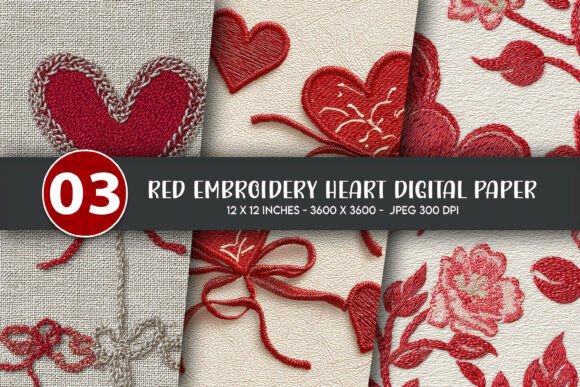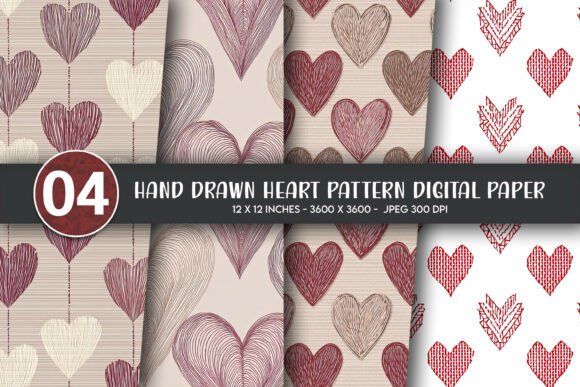
Heart Embroidery Texture Digital Paper Review
As a professional embroidery designer who has spent years translating digital concepts into tangible stitched goods, I approach every new asset with a critical eye. My clients range from boutique café owners to established apparel brands, all looking for that perfect balance of aesthetic appeal and production viability. Recently, I evaluated the Heart Embroidery Texture Digital Paper, a graphic categorized under Patterns and Graphics. While the title suggests a decorative element, my goal was to determine if this design holds up as a serious tool for small business merch, branded patches, and custom apparel.
First Impressions: Professionalism Meets Handmade Charm
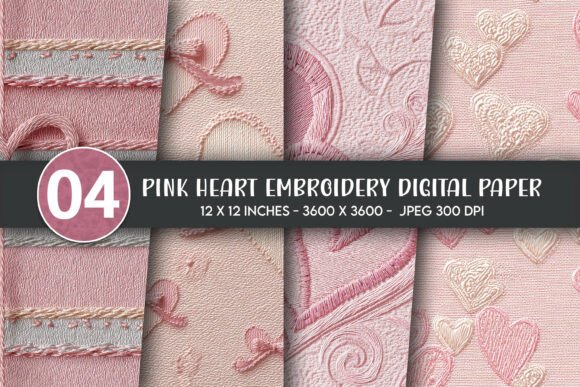
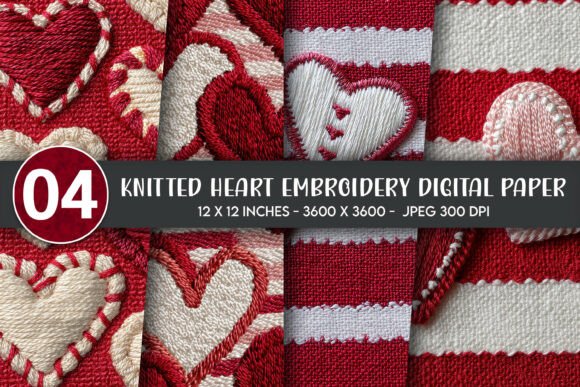
At first glance, the Heart Embroidery Texture Digital Paper presents a compelling visual narrative. It does not feel like a generic clip-art heart; instead, it carries the weight of a textured, tactile surface. The description highlights its suitability for wall decor, posters, and various merchandise, but for us in the embroidery world, the texture is the most critical feature. In the realm of commercial embroidery, flat colors often lack depth. A design that inherently mimics the look of thread density or fabric weave offers an immediate advantage.
This digital paper feels both friendly and premium. For a handmade brand or a local bakery, the "texture" aspect bridges the gap between a mass-produced logo and a bespoke creation. It suggests warmth without sacrificing the clean lines required for a professional brand identity. When I opened the file to inspect the vector paths and resolution, the high-resolution nature mentioned in the product features became apparent. This clarity is essential when scaling a design down for a chest logo or up for a large tote bag design.
Real-World Business Applications
The true test of any machine embroidery design is how it performs in a live business scenario. Imagine a local florist wanting to upgrade their staff uniforms. Using the Heart Embroidery Texture Digital Paper as a subtle accent on the sleeve of a chef's jacket or apron could add a touch of personality that aligns with their floral, organic branding. Unlike a solid block of color, the textured heart allows light to play off the stitches, creating a more dynamic finished product.
For boutique clothing brands, this design asset works exceptionally well as an embroidered patch. Patches are a staple for small business merch because they can be applied to denim jackets, canvas bags, and hats after the garment is sold, adding value. The intricate details within the texture pattern would translate beautifully into a high-density stitch area, making the patch feel substantial and expensive. Similarly, for cap embroidery, placing a smaller version of this textured heart on the front panel or side of a structured hat offers a modern take on classic headwear.
Beyond apparel, consider the application on tote bags. A tote bag design featuring this textured heart serves as a walking billboard for your shop. Because the pattern has depth, it stands out against the canvas material better than a simple outline would. Even for product packaging accents, such as a label sewn onto a throw pillow or a sticker backing for greeting cards, the visual consistency provided by this graphic helps reinforce brand recognition.
Navigating Design Challenges and Limitations
While the potential is vast, experienced designers know that no single design fits every situation perfectly. There are specific scenarios where the Heart Embroidery Texture Digital Paper must be used with caution. The primary concern is scale. If you attempt to use this textured design for tiny lettering or very small patch sizes, the intricate details may get lost. Stitch density becomes a critical factor here; too much detail in a small hoop size can lead to thread breakage or a muddy appearance on the finished product.
Another consideration is the fabric texture. On smooth cotton or twill, the design will pop. However, on highly textured fabrics like heavy fleece or rough wool, the fine details of the digital paper might blend into the background. Furthermore, dark uniforms require careful planning regarding thread colors. To make the texture visible, you will need high contrast. If the base fabric is black, using dark red or brown threads for the heart texture might render the design invisible from a distance.
Items that undergo frequent washing, such as aprons for busy kitchens or work shirts for construction crews, also demand attention. High stitch density areas, which are likely present in this textured design, can sometimes cause puckering on stretchy fabrics if not properly stabilized. Always ensure you are using the correct stabilizer to maintain the integrity of the design over time.
Impact on Brand Identity and Customer Trust
In the competitive landscape of Etsy sellers and craft businesses, visual presentation dictates buyer engagement. The Heart Embroidery Texture Digital Paper elevates a brand by signaling quality. Customers associate detailed, textured embroidery with higher craftsmanship. When a client receives a custom apparel item with a richly stitched heart logo, their perception of the brand's professionalism increases immediately.
This design asset contributes significantly to visual consistency across your product line. Whether it appears on a onesie, a mug coaster, or a branded patch, the recognizable texture creates a cohesive story. It moves beyond simple decoration to become a core component of your brand identity. For handmade products, this level of detail justifies a higher price point, as customers perceive greater effort and artistry in the final result.
Practical Designer Notes for Production
Before committing to a full run of merchandise, I strongly advise following these practical steps to ensure success with this digital embroidery file:
- Test in Black and White First: Before selecting vibrant thread colors, run a test in a single monochromatic thread. This reveals if the spacing and stitch flow work correctly without the distraction of color changes.
- Verify Hoop Size: Check the dimensions of the design against your available hoops. Ensure there is enough room for the needle movement, especially around the edges of the texture.
- Inspect Spacing and Density: Look closely at the areas where the texture is densest. You may need to adjust the pull compensation settings on your machine to prevent fabric distortion.
- Review Thread Color Contrast: Plan your palette carefully. Ensure the thread colors chosen for the texture stand out against the intended fabric background.
- Create a Printable Mockup: Before stitching, generate a printable mockup for client approval. This allows stakeholders to visualize the scale and placement on the actual garment.
- Confirm Commercial Licensing: Although the product description lists many uses, always double-check the specific license terms attached to the download. Ensure you have the right to use it for commercial embroidery projects, including selling finished goods.
- Test on Real Fabric: Never rely solely on screen previews. Stitch a sample on the exact fabric you intend to use to check for puckering and stability.
The Heart Embroidery Texture Digital Paper is a versatile asset that, when handled correctly, can transform standard merchandise into premium branded items. By understanding its strengths in texture and its limitations regarding scale and fabric type, small business owners and decorators can leverage this design to create memorable, high-quality products that resonate with their audience.