How Lucky Are We Embroidery Design Review
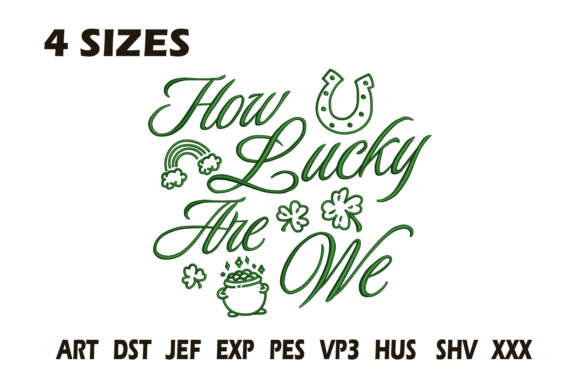
As a professional embroidery designer who has spent years translating digital concepts into tangible threads for small businesses, I approach every new machine embroidery design with a critical eye. The goal is never just to make something look pretty; it is to create a functional asset that elevates a brand. Recently, I reviewed the How Lucky Are We Embroidery file, a St Patrick S Day themed design featuring an elegant green script quote adorned with festive icons like a horseshoe, rainbow, and shamrock. While seasonal designs often lean heavily into kitsch, this particular piece strikes a balance that warrants serious consideration for commercial use.
First Impressions: Elegance Meets Festive Charm
The first thing that stands out when loading the How Lucky Are We Embroidery file into my digitizing software is the typography. Unlike many holiday designs that rely on blocky, cartoonish fonts, this design utilizes an elegant green script. This choice immediately signals a higher level of sophistication. It feels less like a disposable party favor and more like a permanent addition to a boutique's visual identity. The integration of the horseshoe, rainbow, and shamrock is done with care; these iconic elements do not overwhelm the text but rather frame it, creating a cohesive composition.
For a small business owner or an Etsy seller looking to launch a limited-run collection, the visual personality of this design is crucial. It exudes a friendly yet premium vibe. It suggests that your brand values quality and tradition while still being playful enough to celebrate the season. This makes it an excellent candidate for brand identity reinforcement during the March sales cycle. It avoids the "cheap" look often associated with mass-produced holiday merchandise, offering instead a handmade, artisanal feel that customers are willing to pay a premium for.
Strategic Applications for Small Business Merchandise
When evaluating how How Lucky Are We Embroidery performs in real-world scenarios, the versatility becomes apparent. This is not a design meant solely for a single large garment; it scales well across various product categories essential for modern merch creators.
- Embroidered Patches: The distinct outline of the horseshoe and the clear separation of the script make this ideal for cut-out patches. A local café could attach these to staff aprons, turning them into conversation starters. The design holds its shape well even when backed with felt or twill, making it perfect for custom apparel upgrades.
- Cap Embroidery: For a florist or bakery, placing this design on the front of a structured cap works beautifully. The curved nature of the rainbow element actually complements the curvature of a cap panel, provided the hoop size is adjusted correctly during production.
- Tote Bag Design: As tote bag design trends continue to favor bold, centered graphics, this file offers a striking focal point. Imagine a canvas tote from a handmade shop featuring this motif in vibrant thread colors against a neutral background. It serves as both a practical item and a walking advertisement for the brand.
- Apron Embroidery: In the food and beverage industry, aprons are uniform essentials. Using this design on the chest pocket or lower hem adds a seasonal touch without compromising professionalism. It allows staff to participate in the holiday spirit while maintaining a cohesive look.
- Product Packaging Accents: Beyond apparel, consider using this as a label or tag attachment for gift boxes. A small embroidered patch sewn onto a ribbon can elevate a simple soap bar or candle into a luxury gift set.
These applications demonstrate that How Lucky Are We Embroidery is a robust tool for generating small business merch. It bridges the gap between seasonal novelty and timeless branding, ensuring that the items remain desirable even after the holiday passes.
Critical Considerations for Production Success
While the design is visually appealing, a professional review must address potential pitfalls. As designers, we know that what looks good on a screen does not always translate perfectly to fabric. There are specific areas where caution is required to ensure the finished product meets quality standards.
Size and Detail Constraints
One of the primary concerns with script-based designs is legibility at smaller scales. If you plan to use How Lucky Are We Embroidery on a tiny patch or a button, the elegant script may lose definition. The intricate details of the shamrock leaves and the rainbow arcs require sufficient space to render properly. I strongly advise testing the design at 2 inches wide before committing to a full run. If the lettering becomes too dense, the stitches may merge, causing the text to become unreadable.
Fabric Texture and Color Contrast
The success of this design also depends heavily on the substrate. On textured fabrics like heavy denim or wool, the fine lines of the script might get lost. Conversely, on very smooth, dark uniforms, the green thread needs to be bright enough to pop. Always check the thread colors against your specific fabric swatch. A muted forest green might disappear on a navy blue shirt, whereas a lime or emerald green would provide the necessary contrast. Additionally, high stitch density in the icon areas requires proper backing to prevent puckering, especially on stretchy materials.
Wear and Tear Durability
Items that undergo frequent washing, such as staff shirts or reusable bags, need extra attention. The rainbow element, if stitched with multiple thin strands, might fray over time if not secured with adequate underlay. Ensuring the correct stabilizer is used is non-negotiable here. A tear-away stabilizer might suffice for a one-time event shirt, but a cut-away or wash-away mesh is better for long-term durability on items like aprons or caps.
Impact on Brand Identity and Customer Trust
Ultimately, the decision to use a specific digital embroidery file impacts how customers perceive your business. When a customer sees a well-executed embroidered patch with a thoughtful design like How Lucky Are We Embroidery, it communicates attention to detail. It suggests that the business cares about the quality of its presentation. This builds trust and increases the perceived value of the product.
In the crowded marketplace of commercial embroidery, standing out is vital. Generic clip art fails to create an emotional connection. However, a design that balances elegance with festive cheer creates a memorable experience. It encourages buyer engagement because the item feels special and unique. Whether you are creating design assets for an online store or producing physical goods for a brick-and-mortar shop, this design supports a narrative of quality craftsmanship.
Practical Designer Notes for Implementation
Before you hit the "start" button on your machine, follow these steps to ensure a flawless execution of How Lucky Are We Embroidery:
- Test in Black and White: Run a test stitchout using black thread on a scrap of your actual fabric. This helps you identify any spacing issues or density problems without wasting expensive colored thread.
- Verify Hoop Size: Confirm that your hoop can accommodate the full width of the design, including the horseshoe and rainbow extensions. Do not force a larger design into a smaller hoop, as this distorts the image.
- Create a Mockup: Use a printable mockup to show clients exactly how the design will look on their products. This manages expectations and speeds up the approval process.
- Check Licensing: Ensure you have the appropriate commercial license for the embroidery file. If you are selling the finished goods, verify that the terms allow for unlimited production runs.
- Compare Assets: Place this design next to other brand elements to ensure visual consistency. Does the font style match your logo? Do the colors align with your palette?
By treating How Lucky Are We Embroidery as a strategic business asset rather than just a seasonal decoration, you unlock its full potential. It offers a sophisticated way to celebrate St Patrick S Day while reinforcing your brand's commitment to quality. With careful planning regarding size, fabric, and stabilization, this design can become a standout piece in your handmade product lineup, driving sales and delighting customers with its charm and professionalism.