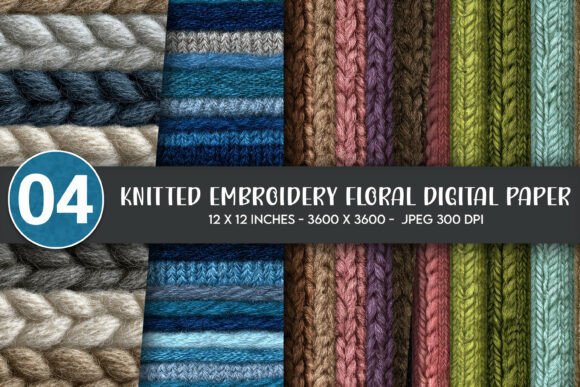
Knitted Embroidery Floral Digital Paper Review
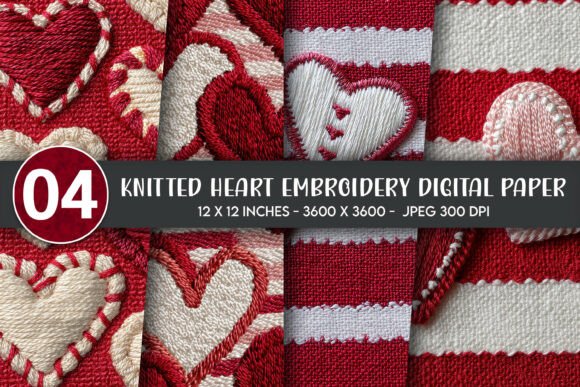
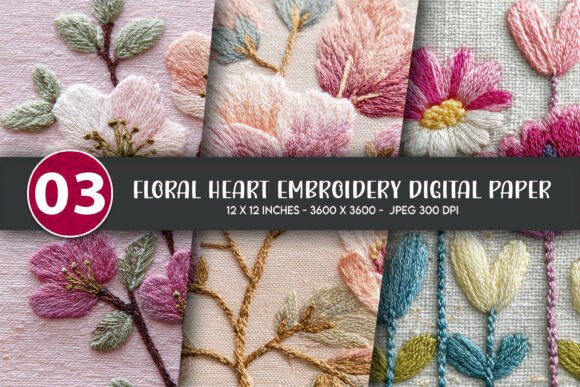
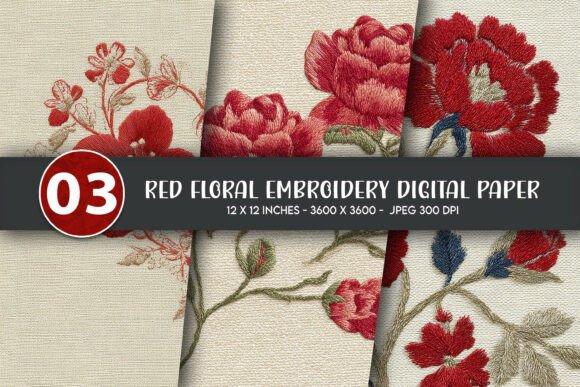
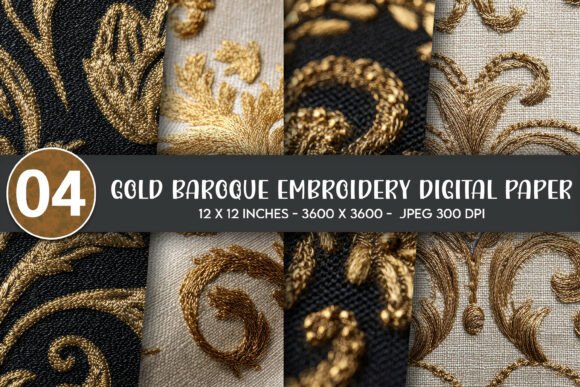
As a designer who has spent years translating digital concepts into tangible stitched goods, I approach every new asset with a critical eye. When I first opened the file for Knitted Embroidery Floral Digital Paper, my initial reaction was one of cautious optimism. The name suggests a specific texture—a blend of softness and structure that is often difficult to achieve in thread. In the world of Patterns and Graphics, names can sometimes be misleading, promising a look that simply cannot be replicated by a machine. However, after reviewing the layout and visual personality of this design, it becomes clear that this is not just another generic floral motif. It carries a distinct mood, one that feels cozy, textured, and deeply suited for modern handmade aesthetics.
The Visual Language of Knitted Florals
The first thing that strikes you about Knitted Embroidery Floral Digital Paper is its organic flow. Unlike rigid, geometric patterns that often feel cold on fabric, this design mimics the irregularity of hand-knitting. The lines are soft, the curves are gentle, and the overall composition invites the eye to wander rather than stare at a single focal point. This is crucial when considering how a machine embroidery design translates from screen to stitch. A design that looks too perfect digitally can sometimes appear stiff once stitched. Here, the inherent "knitted" quality of the graphic suggests that even if converted to a standard fill stitch or satin stitch, the result will retain a sense of warmth.
I immediately began thinking about where this would fit best in a portfolio. It screams "boutique." Imagine a small shop product line featuring this motif on heavyweight cotton tote bags. The contrast between the structured canvas and the soft, floral imagery creates a compelling visual tension. It is exactly the kind of tote bag design that stands out in a crowded Etsy marketplace. The visual appeal is high because it avoids the cliché of overly detailed botanical illustrations that often get lost in stitching. Instead, it offers a stylized abstraction that holds up well even when scaled down.
Testing the Design in Real-World Scenarios
To truly evaluate an embroidery file, you have to imagine it in context. Let's say I am preparing a custom order for a client who wants personalized baby items. A onesie or a receiving blanket is a prime candidate for Knitted Embroidery Floral Digital Paper. The soft aesthetic aligns perfectly with nursery decor. However, the real test comes when we consider the fabric texture. Baby clothes are often made of thin, stretchy jersey or delicate knits. This is where the design's simplicity becomes an asset. Because the pattern does not rely on microscopic details, it is less likely to pucker or distort on a stretchy substrate. If you were to attempt a dense, intricate floral on a onesie, the fabric would warp. With this design, the open spaces allow the fabric to breathe, ensuring the finished product remains comfortable for the wearer.
Consider another scenario: holiday gifts. Perhaps you are creating a set of embroidered aprons or kitchen towels for a local craft fair. The "knitted" theme resonates strongly with the idea of home comfort and culinary warmth. Placing this design on a linen tea towel using earthy thread colors like sage green, terracotta, or cream would create a sophisticated, rustic look. Customers looking for personalized gifts often gravitate toward designs that feel artisanal rather than mass-produced. This asset helps bridge that gap, offering a professional look without requiring the skill level of a master embroiderer to execute.
Navigating Technical Challenges and Fabric Limitations
While the potential is high, a seasoned designer knows that no digital embroidery file is universally perfect. There are specific situations where Knitted Embroidery Floral Digital Paper requires careful handling. For instance, if you plan to use this on dark fabrics, you must pay close attention to the background density. Without a proper backing or a dense underlay, the floral elements might disappear against a black sweatshirt. Always test the design on scrap fabric first to check thread color contrast.
Another area of caution is the hoop size. While the design appears versatile, shrinking it too much for a small cap or a tiny patch could compromise the "knitted" illusion. If the stitches become too tight, the soft edges will harden, turning a cozy floral into a blocky blob. Similarly, on curved surfaces like baseball caps, the distortion of the fabric can alter the symmetry of the flowers. You may need to adjust the placement or split the design into smaller segments to accommodate the curve. Furthermore, for products that require frequent washing, such as reusable shopping bags or daily wear apparel, ensure your stitch density is balanced. Too loose, and the threads will snag; too dense, and the fabric will tear over time.
Practical Notes for Craft Business Owners
If you are an Etsy seller or running a craft business, the value of this design lies in its versatility and marketability. Before committing to a full production run, I recommend creating printable mockups to visualize the design on various backgrounds. Compare how it looks on light versus dark fabrics. Does the floral pattern pop on a heather grey sweatshirt? Does it get lost on a navy blue pillow cover? These decisions impact customer trust and brand consistency.
Also, do not overlook the importance of stabilizer. Even though the design is relatively open, the "knitted" effect relies on clean edges. Using the wrong stabilizer on a custom apparel project can lead to fraying or shifting, ruining the professional finish. Test it in black and white mockups to see if the line weight holds up before spending money on expensive thread. Finally, always confirm the licensing terms. As a small shop product owner, you need to know if you can sell the finished items or if there are restrictions on commercial use. Assuming you have the right to use it, this asset is a strong addition to your library of design assets.
Final Thoughts on Commercial Viability
In conclusion, Knitted Embroidery Floral Digital Paper is more than just a pretty picture; it is a functional tool for creators who understand the nuances of textile art. It performs exceptionally well in projects where softness and texture are key selling points, from baby embroidery to wedding gifts. It avoids the pitfalls of over-complication, making it accessible for hobbyists while remaining sophisticated enough for professional decorators. By respecting the limitations of different fabrics and taking the time to test stitch density and color palettes, you can turn this digital pattern into a standout piece of merchandise. Whether you are decorating a throw pillow or launching a new line of holiday embroidery items, this design offers a reliable path to a beautiful, high-quality finished product that customers will love.